
Process work: my approach to therapy.
Process work, also called Process Oriented Psychology, is the approach I use in every session. Rather than treating what you’re struggling with as a problem to fix, it treats your experience as meaningful: something to notice, follow and understand.
This page explains where process work comes from, how it works, and what it can be like to experience it.
What is process work?
Process work is an awareness-based approach to psychotherapy. It’s built on the idea that the things that trouble us, such as anxiety, body symptoms, recurring conflicts or vivid dreams, often carry information about what’s trying to happen in our lives.
In a session, we pay close attention to your direct experience: what you’re seeing, hearing, feeling in your body and doing as you talk. These small signals are unique to you. Following them carefully, rather than analysing them from the outside, helps us discover what sits beneath the surface at a pace that feels safe.
Where process work comes from.
Process work was developed by Arnold (Arny) Mindell (1940–2024), who studied physics at MIT before training as a Jungian analyst at the C.G. Jung Institute in Zurich. Working with clients, he noticed that people’s body symptoms and their dreams often seemed to express the same themes. He called this connection the dreambody, and described it in his book Dreambody (1982).
In the early 1980s, Mindell and his colleagues began training others in the approach in Zurich. Process work has since grown into an international community, with training programs in Europe, North America, Australia and New Zealand. It builds on the work of Carl Jung, alongside ideas drawn from physics, Taoism and shamanic traditions.
Key ideas in process work.
- Signals and channelsWe experience life through different channels: what we see, what we hear, what we feel in our body, how we move, our relationships, and the world around us. Noticing which channels are most alive helps us follow your experience closely.
- The familiar and the unfamiliarProcess work distinguishes between the parts of ourselves we identify with and experiences that feel less familiar, or “not me”. Often, what we push away holds something important.
- EdgesAn edge is the point where something new meets the limits of how we usually see ourselves. It might show up as hesitation, a change of subject or a sudden feeling. We approach edges gently, and only as far as feels right.
- The dreambodyDreams and body symptoms are seen as connected expressions of the same underlying process. Exploring one can shed light on the other.
What process work looks like in a session.
Sessions are a conversation, but one that pays attention to more than words.
- 01NoticingI might notice a gesture you make when you talk about something difficult, a shift in your voice, or a sensation you mention in passing, and invite you to explore it.
- 02ExploringSometimes that means slowing down and staying with a feeling. Sometimes it means exploring a dream, an image or a movement.
- 03At your paceYou’re always in charge of how far we go, and nothing is forced. The aim is to follow what’s already happening for you, not to apply a technique to you.
How it differs from other approaches.
- Many therapies
Focus on understanding a problem by talking it through, or on changing thoughts and behaviours with structured techniques, as in cognitive behavioural therapy (CBT). These approaches help many people.
- Process work
Works with your whole experience, including your body, feelings, dreams and relationships, rather than mainly with thoughts. It treats difficult experiences as meaningful, rather than simply something to reduce.
Who process work may suit.
- It may suit you if you…
- are curious about your inner world
- feel that talking alone hasn’t reached what’s going on
- want to explore dreams, body experiences or relationship patterns
- would like an approach that goes at your pace
- It may not be the first step if you…
- need a formal diagnosis or assessment
- are looking for a structured, skills-based program
- need to talk about medication
A GP, psychologist or psychiatrist may be better placed to help, and process work can sit alongside that support.
A note on research.
Process work is a well-established approach with an international training community, but it has been studied far less in formal clinical trials than therapies such as CBT. Much of what’s written about it comes from practitioners’ case studies and books. I think it’s important you know that when choosing a therapist, and I’m always happy to talk it through with you.
My training.
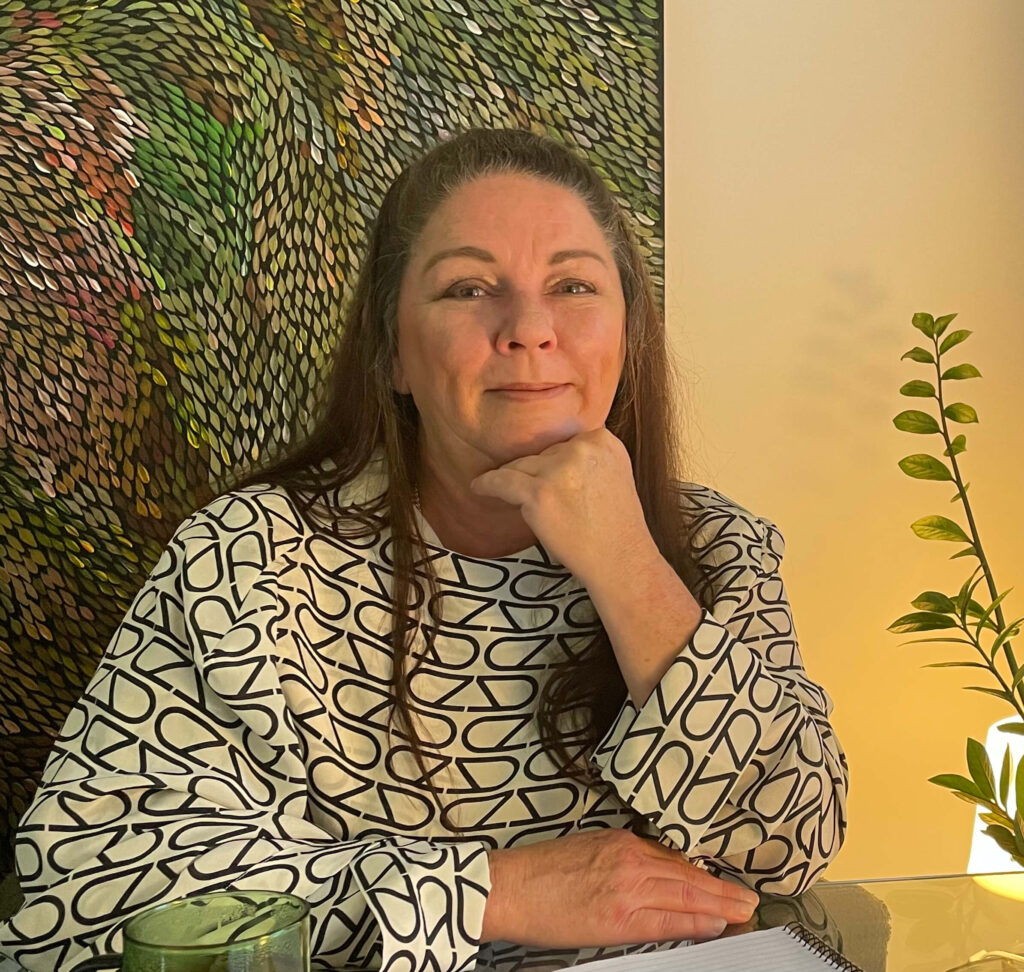
I completed the Two-Year Process Work Study Program with Australia New Zealand Process Oriented Psychology (ANZPOP), and have attended a workshop led by Arny Mindell. I continue to take part in ongoing process work training.
I’m also a Certified Practising Counsellor with the Psychotherapy and Counselling Federation of Australia (PACFA), and I’ve been practising psychotherapy for over 10 years.
Further reading.
If you’d like to explore process work further, these are good places to start:
- Arnold Mindell, Dreambody (1982)
- Arnold Mindell, Working on Yourself Alone (1990)
- Arnold Mindell, The Shaman’s Body (1993)
- Process Work Institute, Portland, Oregon
How I use process work.
Ready when you are.
You’re not alone, and you don’t have to figure this out on your own. Take your first step to becoming a more confident and connected you today.