
When a dream stays with you.
Most dreams disappear when you wake but sometimes one stays with you. You might remember a person, place, image or feeling with unusual clarity or find yourself thinking about it throughout the day.
People often come to explore:
- A recurring dream or nightmare
- A dream about someone from their past
- An image or feeling they can’t shake
- A dream that felt important even when they can’t explain why
Not every dream needs to carry a profound message. You can simply become curious about what happens when you pay attention.
How dream work can help.
Dreams can point to feelings that haven’t yet found words. A person in a dream might bring something about a relationship into focus or something unfamiliar might reveal a part of yourself you haven’t consciously recognised.
Process Oriented Psychology was developed by Arnold Mindell and it draws from the work of Carl Jung. Rather than decoding dreams with a dictionary of symbols we slow the dream down and explore it from the inside. How a figure moves, the feeling in a scene, what you notice in your body as you describe it.
I’m not here to tell you what your dream means but I’m to explore them with you. Often the same patterns that appear in dreams also show up in daily life, in relationships, body symptoms or recurring conflicts.
What your first session looks like.
- Length: 50 minutes
- Fee: $165 (incl. GST)
- Where: Nerang, Gold Coast, or online
- Referral: Not needed
Bring a dream or a few. It doesn’t matter if you only remember a fragment. We’ll explore it together and see what it opens up.
Common questions about dream work.
What if I don’t remember my dreams?
It’s very common. But even a single image or feeling is enough to work with and many people find they remember more once they start paying attention to their dreams.
Do nightmares mean something is wrong?
Not necessarily. Nightmares can be connected to stress or past experiences and exploring them can sometimes help them feel less frightening. If nightmares are frequent or disrupting your sleep it’s worth mentioning them to your GP as well.
Is dream work a separate type of therapy?
It’s part of how I work. Dreams can be explored on their own or alongside anything else we’re focusing on.
About your therapist.
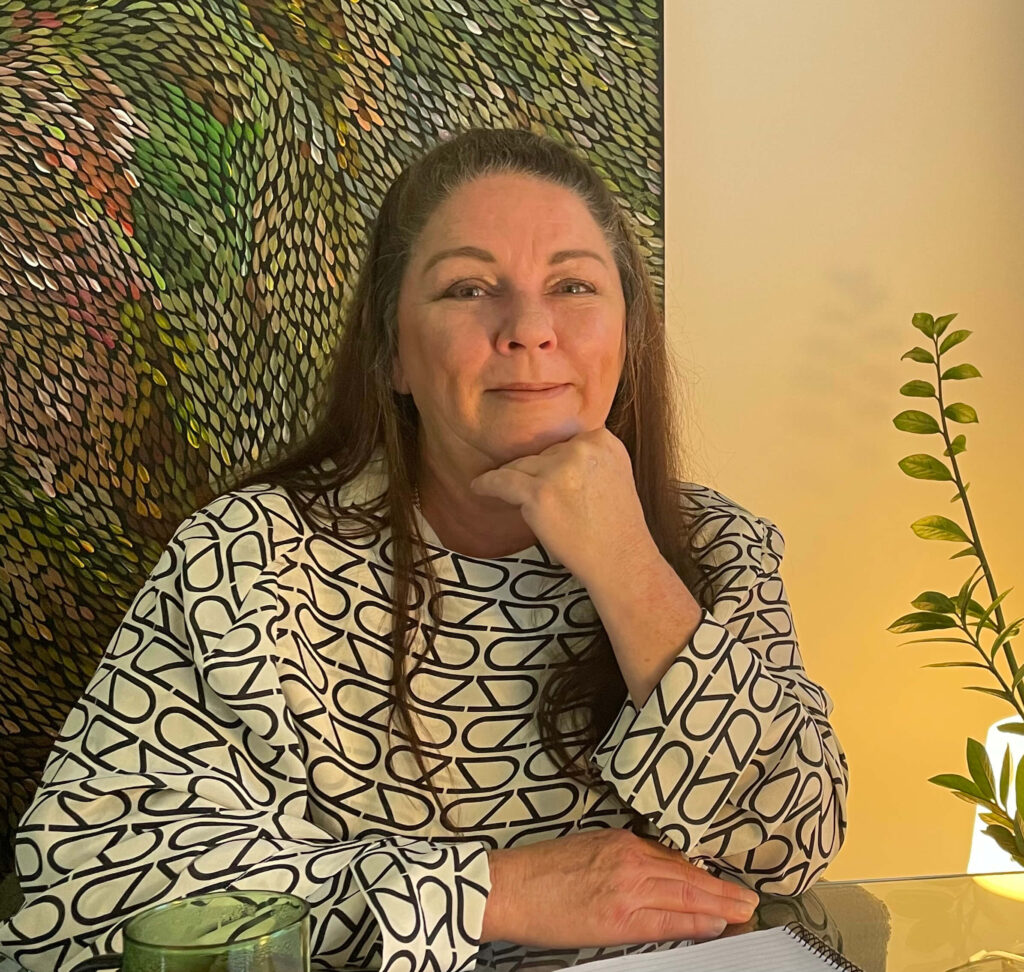
Jeanette is the founder of Gold Coast Psychotherapy in Nerang and a Certified Practising Counsellor with the Psychotherapy and Counselling Federation of Australia (PACFA). She completed the Two-Year Process Work Study Program with Australia New Zealand Process Oriented Psychology (ANZPOP) and has practised psychotherapy for over 10 years. Before becoming a therapist, she worked as a paramedic and as a health and safety officer.
Related support.
Ready when you are.
You’re not alone, and you don’t have to figure this out on your own. Take your first step to becoming a more confident and connected you today.