
What emotional abuse can leave behind.
Emotional abuse can be hard to name, especially when there were no bruises. You may have left the relationship, created some distance, or kept going while telling everyone you’re okay, because explaining what happened feels draining or impossible.
It can include manipulation, gaslighting, narcissistic behaviour, domestic abuse and coercive control, which can make leaving feel frightening.
Afterwards, you might notice yourself:
- Second-guessing your memories, decisions and instincts
- Wondering whether you overreacted, or whether it was really that bad
- Apologising constantly or feeling on edge around certain people
- Struggling to know what you actually want or need
How therapy can help after emotional abuse.
Emotional abuse can gradually make it difficult to trust what you feel and perceive. Explaining yourself, managing someone else’s emotions and doubting your own needs can start to feel normal.
Process work is built around exactly those perceptions: what you see, feel and sense in your body. Together we slow down and pay attention to the inner signals you may have learned to override in order to stay safe.
This helps you rebuild trust in your own experience. We can also explore the patterns that formed in the relationship, so you can start to recognise them, set boundaries and build relationships where you don’t have to abandon yourself to belong.
What your first session looks like.
- Length: 50 minutes
- Fee: $165 (incl. GST)
- Where: Nerang, Gold Coast, or online
- Referral: Not needed
Your first session is a safe, confidential space. You don’t need to share everything at once, and you’ll never be pushed to talk about anything before you’re ready. We’ll start with what feels most present for you.
Common questions about emotional abuse therapy.
I’m not sure if what I experienced counts as abuse. Can I still come?
Yes. Many people come to therapy unsure. You don’t need to be certain or have a label for it; we can explore your experience together.
Can I come while I’m still in the relationship?
Yes. Therapy can be a place to get clearer about your experience, wherever you are in it.
Is couples therapy appropriate when there’s abuse?
Usually not while abuse is ongoing. Individual sessions are generally the safer starting point. We can talk this through in a first session.
If you are in immediate danger, call 000. For confidential support around domestic, family or sexual violence, you can call 1800RESPECT (1800 737 732) at any time.
About your therapist.
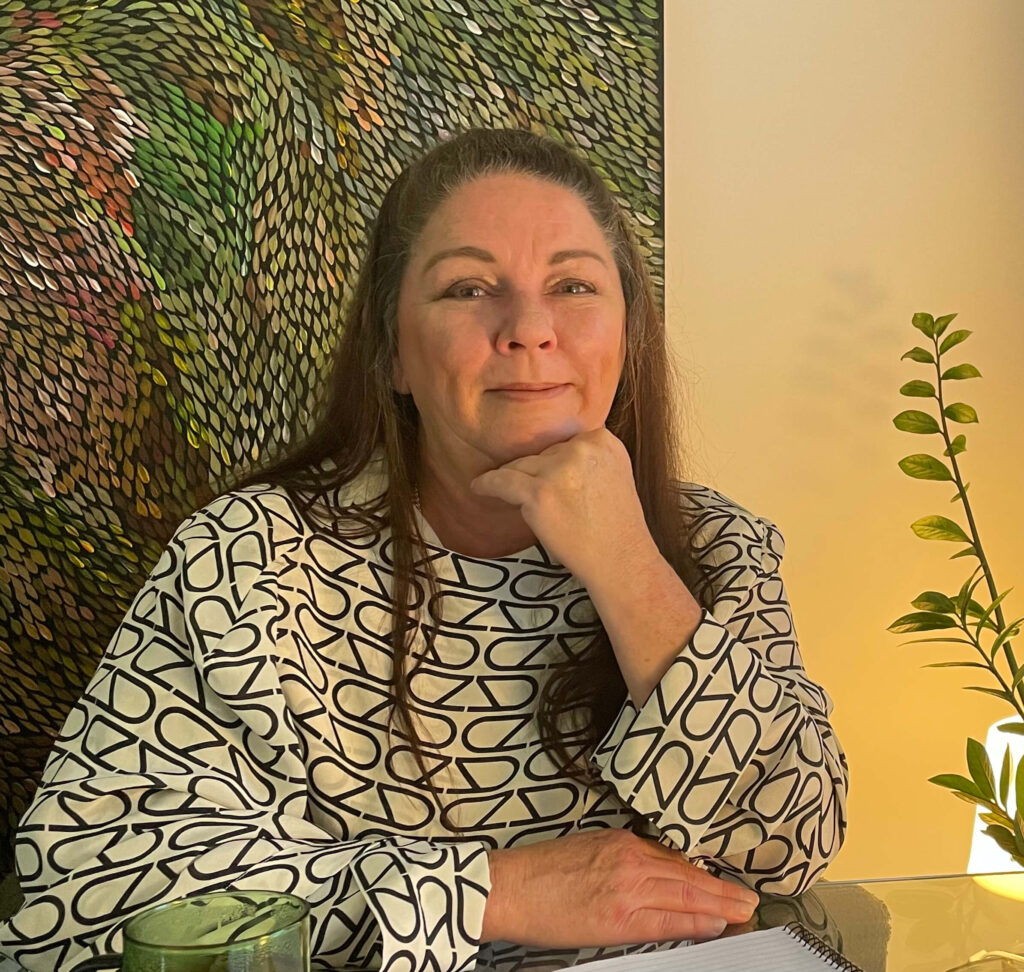
Jeanette is the founder of Gold Coast Psychotherapy in Nerang and a Certified Practising Counsellor with the Psychotherapy and Counselling Federation of Australia (PACFA). She completed the Two-Year Process Work Study Program with Australia New Zealand Process Oriented Psychology (ANZPOP) and has practised psychotherapy for over 10 years. Before becoming a therapist, she worked as a paramedic and as a health and safety officer.
Related support.
Ready when you are.
You’re not alone, and you don’t have to figure this out on your own. Take your first step to becoming a more confident and connected you today.