
How trauma can stay with you.
Trauma isn’t defined by what happened but by how it stayed with you. It might be a single event like an accident, an assault or a sudden loss or something that happened slowly over years like growing up in an unsafe home or living through an emotionally abusive relationship.
You may rarely talk about it and you might be very good at keeping it contained. Other people see the person you are today without knowing how much of the past your body still holds.
Trauma often shows up as:
- Feeling on edge, being easily startled or always scanning for danger
- Tensing up before you even understand why
- Certain sounds, places or people bringing you straight back
- Feeling numb, guarded or disconnected
- Nightmares, trouble sleeping or sudden waves of anxiety
How therapy can help with trauma.
Pushing through or pretending it didn’t happen can be an exhausting way to live. Trauma often lives in the body as much as in memory and in feelings that have become so familiar they’re almost invisible.
Process Oriented Psychology works with that directly, paying gentle attention to sensations, movements and feelings as they arise rather than asking you to retell the story in detail. We go slowly and stay within what feels manageable so you remain in charge of the pace. Sometimes we also explore dreams which can carry images of what the body hasn’t yet found words for.
I bring my own background as a former paramedic and safety officer to this work along with my personal experience of healing through therapy after a traumatic life event.
What your first session looks like.
- Length: 50 minutes
- Fee: $165 (incl. GST)
- Where: Nerang, Gold Coast, or online
- Referral: Not needed
You don’t need to talk about what happened unless and until you want to. We’ll focus on getting to know each other and building a sense of safety first.
Common questions about trauma therapy.
Will I have to talk about what happened?
No, you decide what you share and when. Process work doesn’t depend on going over the details of a traumatic event.
Can you help with PTSD?
I work with people experiencing the effects of trauma including symptoms often associated with PTSD such as hypervigilance, flashbacks and disrupted sleep. You don’t need a formal diagnosis to attend. If your symptoms are severe or getting worse it’s also worth speaking with your GP who can talk you through all of your support options.
How many sessions will I need?
It varies however change usually develops over a series of sessions.
About your therapist.
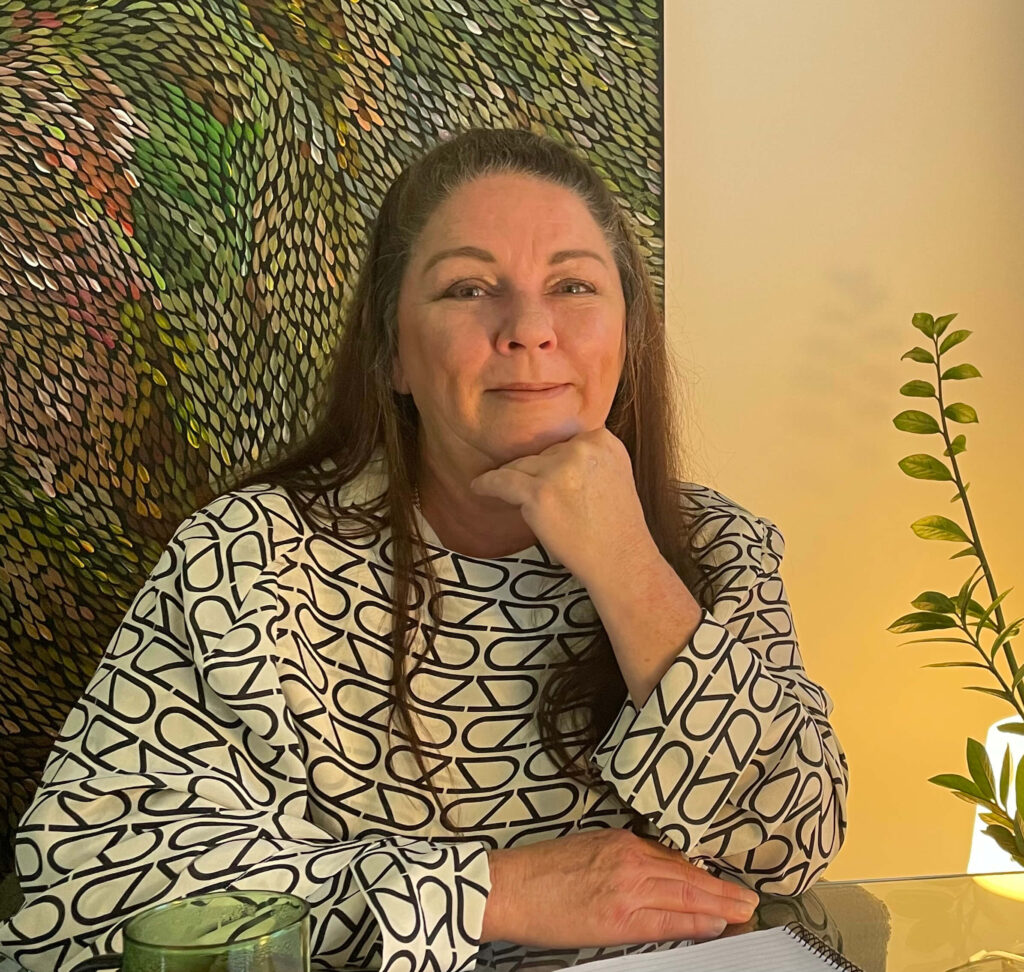
Jeanette is the founder of Gold Coast Psychotherapy in Nerang and a Certified Practising Counsellor with the Psychotherapy and Counselling Federation of Australia (PACFA). She completed the Two-Year Process Work Study Program with Australia New Zealand Process Oriented Psychology (ANZPOP) and has practised psychotherapy for over 10 years. Before becoming a therapist, she worked as a paramedic and as a health and safety officer.
Related support.
Ready when you are.
You’re not alone, and you don’t have to figure this out on your own. Take your first step to becoming a more confident and connected you today.