
When your relationship feels stuck.
People see a couple who have built a life together. The home, the routines and the good moments. They don’t see the conversations that never happen or the ones that go round in circles until it feels like you’re speaking different languages.
Couples come to see me at different stages. It could be after being years together that have started to feel distant, during a crisis like an affair or a big decision or simply wanting to understand why the same argument keeps coming back.
Things you may recognise:
- Feeling unheard, misunderstood or alone in the relationship
- One of you pursuing while the other withdraws
- Living more like flatmates than partners
- Important conversations turning into fights or just not happening at all
How can counselling can help couples?
Couples can become caught in patterns where each person’s response reinforces the other’s. For example one of you might withdraw and the other pursues. One of you might become defensive and while the other feels unheard. Without a safe space to slow things down it becomes difficult to see what’s happening between both of you.
In Process work we treat the relationship itself as something with its own unique patterns and signals. In sessions we notice what happens like a shift in tone the moment one of you goes quiet or reactions that seem bigger than the words. Those moments are where the real work is. These are called edges.
Rather than deciding who’s right, we look at what each of you is trying to express so you can both feel heard without having to win the conversation.
What your first session looks like.
- Length: 120 minutes
- Fee: $320
- Where: Nerang, Gold Coast, or online
- Referral: Not needed
In your first session is together as a couple we’ll discover what’s brought you here and what both of you hope for. Both perspectives matter and there is no side taking.
Common questions about couples counselling.
What if my partner doesn’t want to come?
You’re more than welcome to start on your own. However individual sessions can still change how you show up in the relationship.
Do we have to be thinking about separating to come?
Not at all. Many couples come to strengthen a relationship that’s mostly good but can feel stuck in places.
Is couples counselling right if there’s emotional abuse?
Where there is ongoing abuse or control individual support is generally safer. You can read more on my emotional abuse therapy page.
About your therapist.
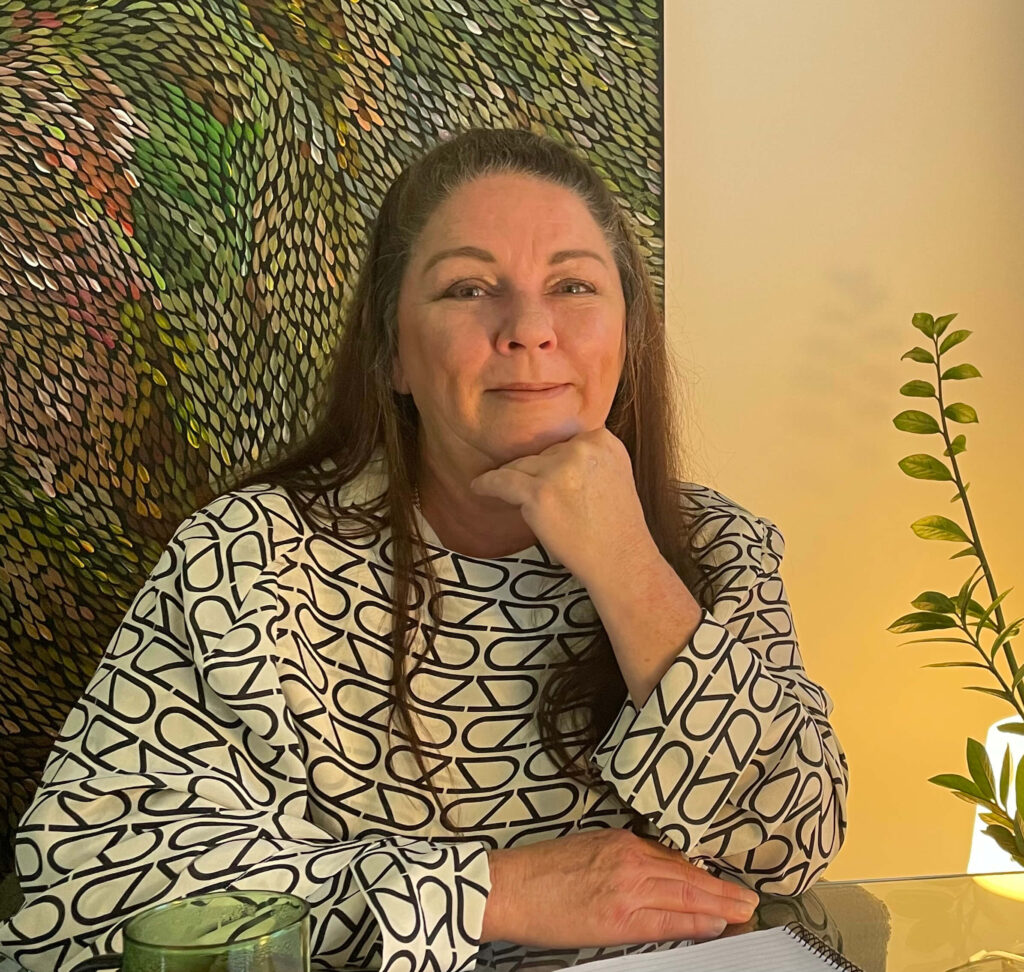
Jeanette is the founder of Gold Coast Psychotherapy in Nerang and a Certified Practising Counsellor with the Psychotherapy and Counselling Federation of Australia (PACFA). She completed the Two-Year Process Work Study Program with Australia New Zealand Process Oriented Psychology (ANZPOP) and has practised psychotherapy for over 10 years. Before becoming a therapist, she worked as a paramedic and as a health and safety officer.
Related support.
Ready when you are.
You’re not alone, and you don’t have to figure this out on your own. Take your first step to becoming a more confident and connected you today.